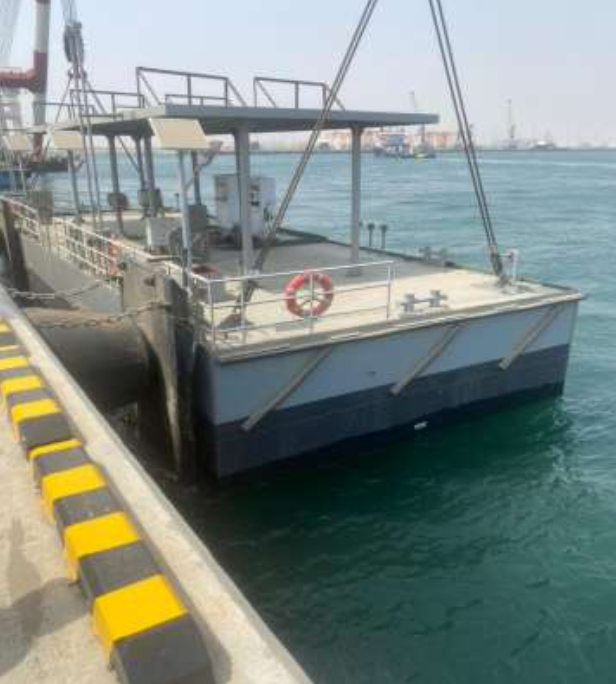
Key Phases of Bunkering Barge Building
Each project requires careful planning, coordination, and execution. Here's a
typical breakdown of the phases:
- Initial Concept Development: Define the purpose, size, and
basic requirements of the barge.
- Feasibility Study: Assess the technical and economic
feasibility of the project.
- Preliminary Design: Develop initial design sketches and
specifications.
- Approval and Permits: Obtain necessary approvals and
permits from regulatory bodies.
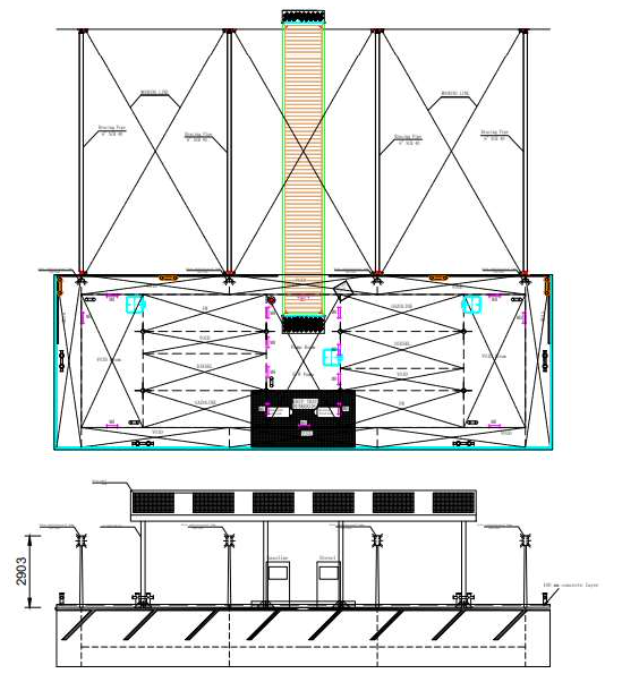
- Engineering Design: Create detailed engineering drawings
and plans, including structural, mechanical, and electrical systems.
- Material Specification: Specify the materials required for
construction.
- Procurement Planning: Plan the procurement of materials,
equipment, and services.
- Vendor Selection: Select suppliers and contractors for
materials and services.
- Material Procurement: Order and receive materials and
equipment.
- Logistics Planning: Plan the transportation and storage of
materials.
- Site Preparation: Prepare the construction site, including
setting up facilities and ensuring safety measures.
- Keel Laying: Begin the actual construction with the laying
of the keel.
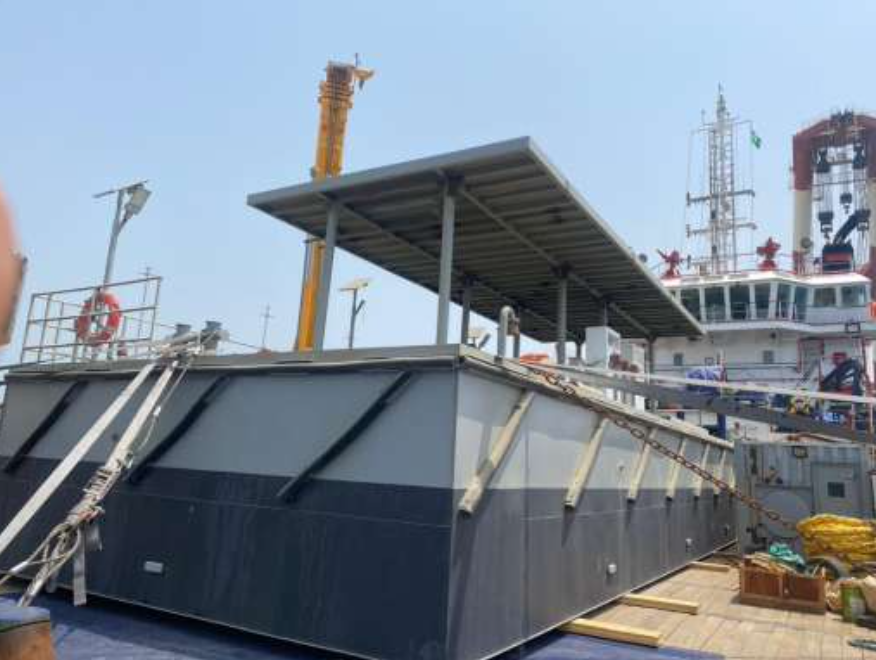
- Hull Construction: Build the hull structure, including
welding and assembling steel plates.
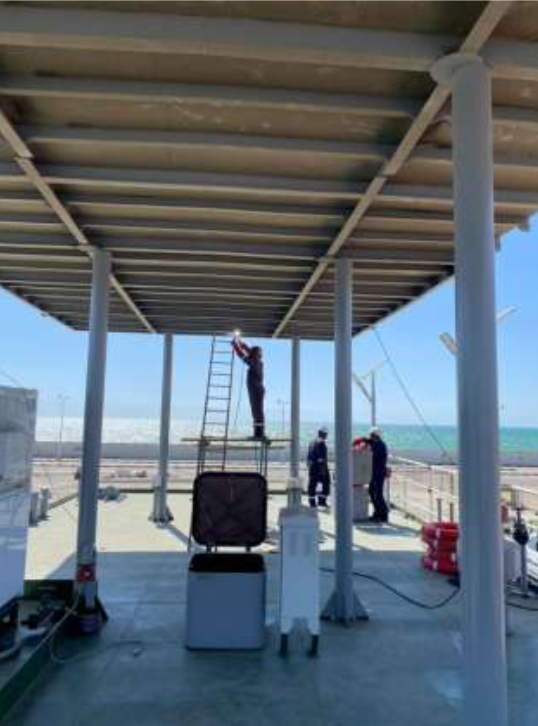
- Outfitting: Install internal systems such as piping,
wiring, and machinery.
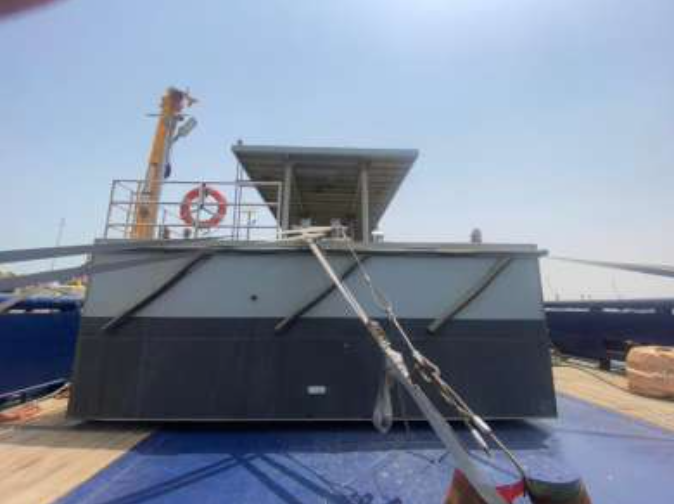
- Deck and Superstructure Construction: Build the deck and
any superstructures as per design.
- Quality Control: Perform inspections to ensure construction
meets design specifications and regulatory standards.
- Testing: Conduct various tests, such as watertightness,
load tests, and system functionality tests.
- Sea Trials: Test the barge in water to ensure it performs
correctly and safely.
- Final Inspection: Conduct a final inspection and address
any outstanding issues.
- Delivery: Deliver the barge to the client.
- Commissioning: Ensure all systems are operational and the
barge is ready for use.
- Training: Provide training for the crew on operating and
maintaining the barge.
- Maintenance Planning: Develop a maintenance schedule to
ensure long-term operability.
- Warranty and Support: Offer post-delivery support,
including warranty services and spare parts supply.
- Performance Monitoring: Monitor the barge’s performance and
address any issues that arise.