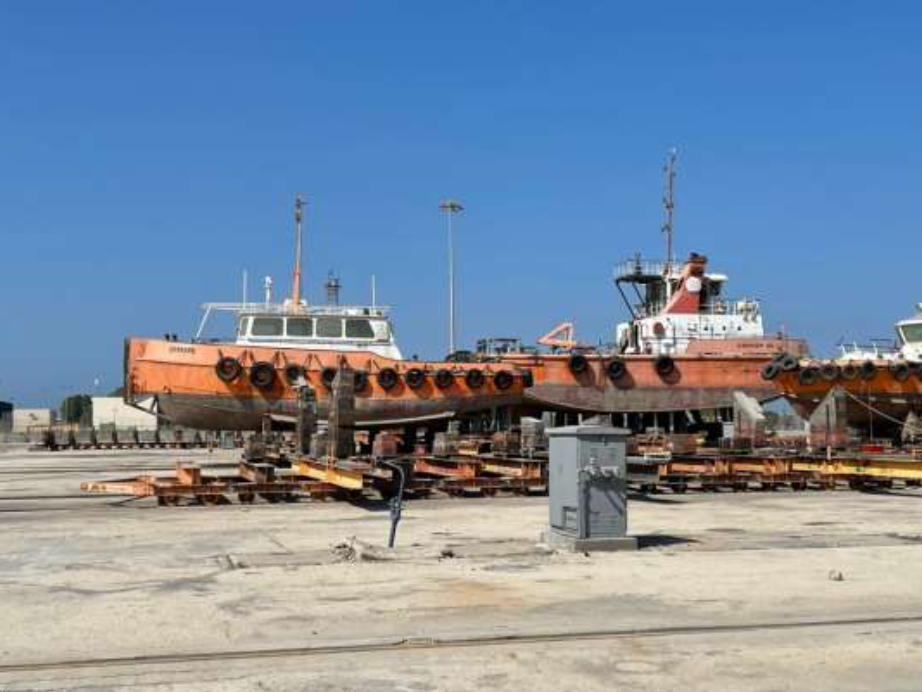
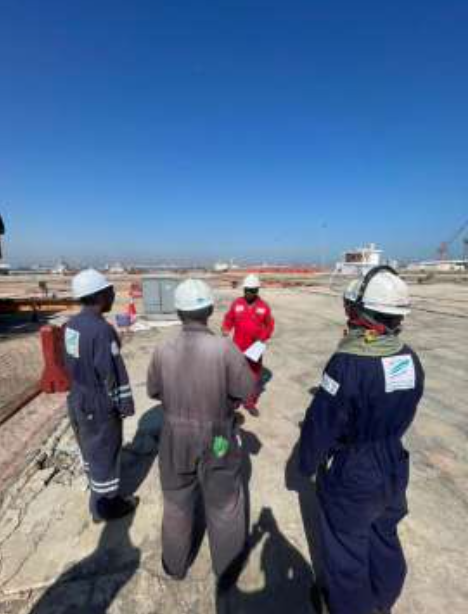
Project Overview
By following these structured steps, shipbreaking can be performed in a manner that
minimizes
environmental impact and maximizes material recovery, prioritizing worker and environmental
safety.
- Selection of the Vessel: Identify ships that are at the end
of their operational life or considered
no longer economically viable to operate or repair.
- Purchase by Demolition Yard: The demolition yard buys the
ship, often through brokers or
auctions.
- Removal of Equipment and Valuable Items: Prior to
dismantling, all usable or valuable
equipment, such as electronics, furniture, and safety gear, is removed and
resold or repurposed.
- Oil and Hazardous Material Removal: This step involves
removing residual fuel, oil, and
hazardous materials (like asbestos, PCBs, and toxic chemicals) to prevent
environmental
contamination.
- Pre-cleaning and Cleaning: Clean areas to preventpollution,
especially in fuel tanks, cargo
areas, and machinery spaces.
- Inspection and Documentation: Inspect the ship and create a
detailed plan for breaking,
including safety protocols and steps to handle hazardous materials.
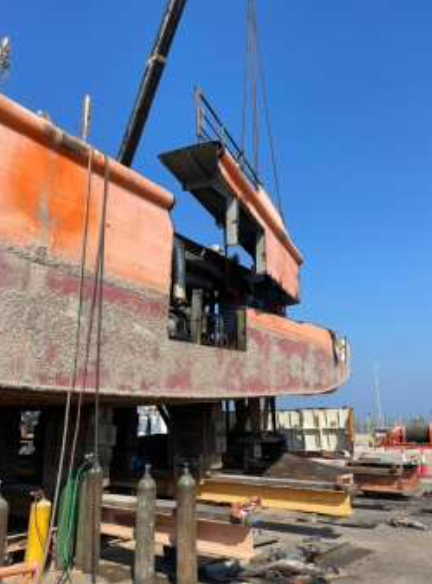
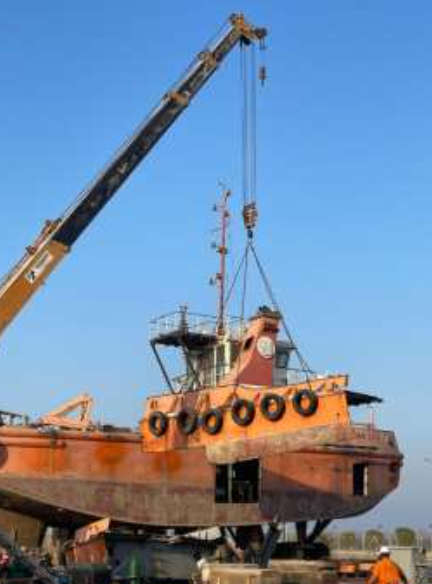
- Main Structure Cutting: Begin with dismantling the
superstructure, followed by the hull.
Cutting torches and heavy machinery are used to cut large pieces of steel.
- Section-by-Section Cutting: The ship is cut into sections,
typically from top to bottom, for ease
of handling and recycling.
- Material Separation: Separate materials like steel,
aluminum, copper, and rubber, as well as
toxic substances.
- Recycling and Disposal: Materials are then sent to
recycling facilities, while waste is carefully
disposed of according to environmental regulations.
- Site Cleanup: After all materials have been removed, the
site is thoroughly cleaned to prevent
any pollution.
- Certification and Disposal of Waste: The site is certified
clean, and final waste, such as
contaminated soil or other residues, is properly treated or disposed of.
- Regulatory Compliance Reporting: The demolition process is
documented and reported to
ensure compliance with environmental and safety regulations, often as
mandated by the Basel
Convention or Hong Kong Convention.